When the cameras roll on a Hollywood action‑comedy, few duos generate the kinetic energy of Jackie Chan and Chris Tucker. Their partnership, first showcased in the 1998 “Rush Hour” franchise, remains a benchmark for studios seeking both international appeal and domestic box‑office lift. This article dissects why the pair works, when they should be considered, and what criteria guide producers in recreating their formula.
Why do Jackie Chan and Chris Tucker click on screen?
Jackie Chan brings a disciplined, physically demanding style of martial arts that blends seamlessly with Chris Tucker’s rapid‑fire, improv‑driven humor. The contrast creates a dynamic where high‑octane stunts are punctuated by laugh‑out‑loud dialogue, keeping viewers engaged across cultural lines. Chan’s reputation for performing his own stunts adds authenticity, while Tucker’s unmistakable Brooklyn cadence offers a relatable anchor for American audiences.
When is pairing a martial‑arts star with a comedian advantageous?
Studios typically evaluate three scenarios before committing:
- Cross‑market expansion: A martial‑arts legend draws Asian markets; a comedian with strong domestic following secures U.S. ticket sales.
- Genre blending: Action sequences demand physical credibility, while comedy softens the intensity, broadening age demographics.
- Franchise longevity: Alternating focus between stunt‑driven set pieces and character‑driven humor sustains audience interest over multiple installments.
In each case, the duo’s proven chemistry reduces risk, as prior box‑office data shows “Rush Hour” consistently outperformed comparable action‑only releases.
What selection criteria should producers apply?
To emulate the success of Chan‑Tucker collaborations, decision‑makers should assess:
- Physical compatibility: The martial‑arts star must be willing to integrate into comedic timing without compromising stunt quality.
- Verbal flexibility: The comedian should demonstrate the ability to adapt jokes to the physicality of scenes, ensuring dialogue does not hinder choreography.
- Cultural resonance: Both talent pools must possess recognizable brands in their target regions, enabling co‑marketing strategies.
- Scheduling alignment: Simultaneous availability for rehearsals, stunt coordination, and promotional tours is essential for seamless production.
How does the Chan‑Tucker model influence future projects?
Emerging studios are studying the model to craft new pairings—think a Southeast Asian martial‑arts specialist alongside a Latin‑American comedic lead. The precedent set by Jackie Chan and Chris Tucker suggests that the right mix of physical spectacle and relatable humor can break language barriers while delivering profitable returns.
What steps should a studio take to secure a similar partnership?
Begin with a talent audit that maps star power to regional box‑office metrics. Next, develop a screenplay that interweaves stunt choreography with dialogue beats, allowing improvisation during rehearsal. Finally, negotiate contracts that include joint promotional commitments, capitalizing on each star’s media reach.
In short, the enduring appeal of Jackie Chan and Chris Tucker stems from a deliberate blend of skill sets, market considerations, and collaborative spirit. By applying the outlined criteria, studios can replicate this chemistry, turning a proven formula into fresh, globally resonant entertainment.
Elizabeth Smart Secures First Place In Bodybuilding Competition In Salt
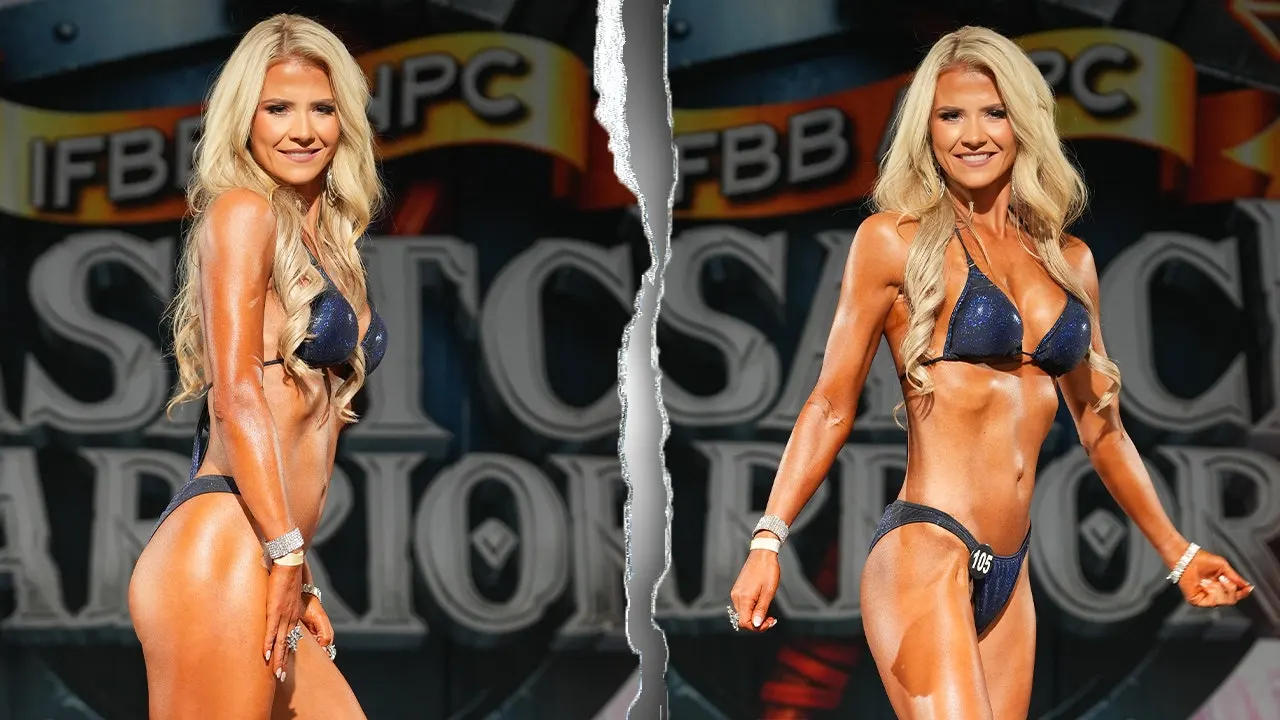
Elizabeth Smart secures first place in bodybuilding competition in Salt ...